
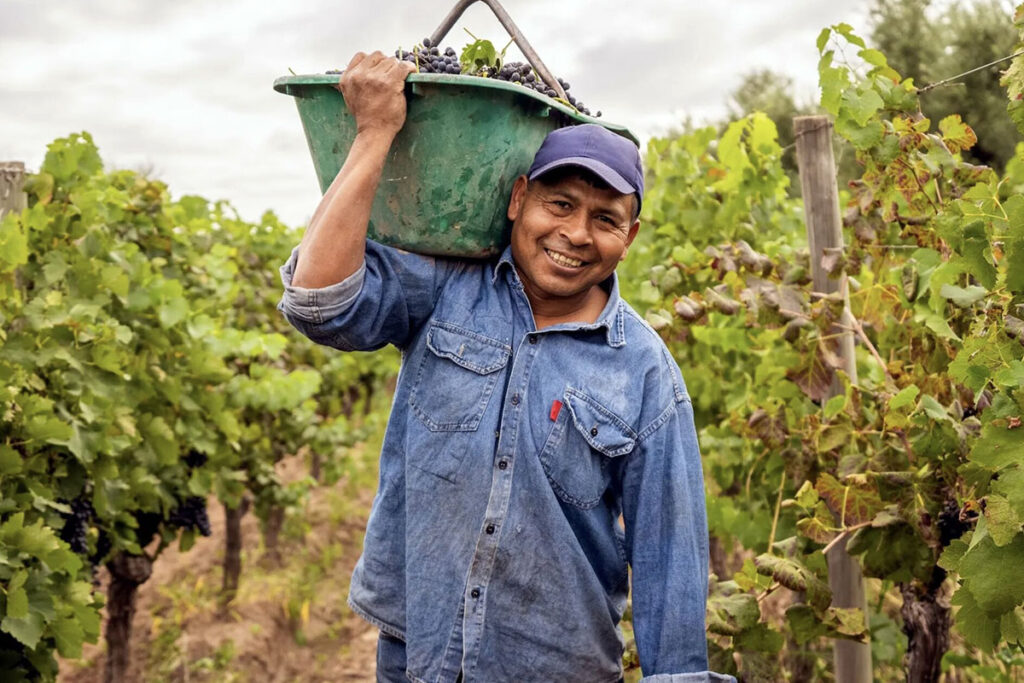
ESSENTIAL WORKERS | 25% of the workforce works outdoors. (Photos / El Comercio de Colorado)
HB26-1272 AIMS TO PREVENT WORKPLACE DEATHS
El Comercio de Colorado Newsroom
Haga click aquí para leer la versión en español
Bill HB26-1272 is advancing in the Colorado legislature with the goal of protecting thousands of workers exposed to extreme temperatures. The proposal, led by State Representative Elizabeth Velasco, has already cleared its first hurdle after being approved by the Public Health Committee, marking a key step in its legislative path.
The initiative comes at a time when climate change is intensifying working conditions. In Colorado, nearly 700,000 essential workers—about 25% of the workforce—are employed in sectors such as agriculture, construction, logistics, and services, many of them outdoors.
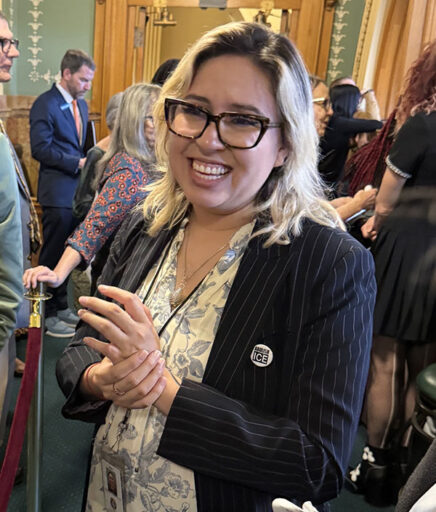
REPRESENTANTE| Elizabeth Velasco.
Drinking water, heating, and other protections
According to state data, temperatures have risen in recent decades, increasing the risk of heat- and cold-related illnesses and deaths. Velasco has been clear about the urgency behind the proposal. “This is not an abstract discussion. We are seeing workers who are literally dying on the job due to extreme heat or cold,” she said.
The bill proposes creating a statewide system to track illnesses, injuries, and workplace emergencies linked to extreme temperatures. This system, under the Department of Labor and Employment, would begin operating in January 2027. Collecting this data will help measure the scope of the problem and design more effective policies.
Based on that information, the law includes the development of the TRIIPP (Temperature-Related Injury Prevention Plan), which would establish mandatory standards for employers. These include access to drinking water, shaded or heated areas, paid breaks, and training to prevent risks.
Implementation in 2028
Full implementation is scheduled for 2028, although Velasco noted that the process has been divided into phases due to state budget limitations. “For now, we are moving forward with the first phase, which is collecting information to guide the next steps. We know there are not enough resources to create entirely new structures, but this is urgent,” she said.
Velasco also indicated that the Department of Labor will be responsible for defining clear guidelines to ensure safe working environments. The impact of this legislation is especially significant for the Latino and immigrant community. It is estimated that at least 35,000 Latino workers are involved in agricultural labor in Colorado.

GreenLatinos| Jessica Herrera.
Vulnerable workers
Jessica Herrera, an attorney and advisor with GreenLatinos, warns that fear of retaliation or immigration consequences prevents many workers from reporting abuses or requesting breaks. “There are workers who spend hours under the sun and do not dare to ask for water or shade out of fear of losing their jobs,” Herrera said.
In her view, this law represents a key step forward by establishing minimum standards without relying on federal changes. The bill also incorporates both technical and community perspectives. Herrera, who participated in drafting it, believes climate change is already altering labor dynamics, making summers longer and more dangerous.
Next steps
“We want workers to be able to go to work and return home safely to their families. That is the goal,” she concluded. With this progress, Colorado positions itself in the national conversation on labor protections in the face of climate change, at a time when extreme conditions are no longer exceptional but part of a new daily reality.
You may also like:
Guest Columnist – SNAP restrictions punish communities that deserve support
Aurora Gains Recognition for Immigrant Integration
CommonSpirit Listens to the Community


otras noticias
Guest Column – Delivering for Colorado’s Latino Community and All Coloradans
Guest Column – A Boulder Optimist: Restoring Opportunity
Guest Column – Vote NO: Proposition 133 is a dangerous trap