
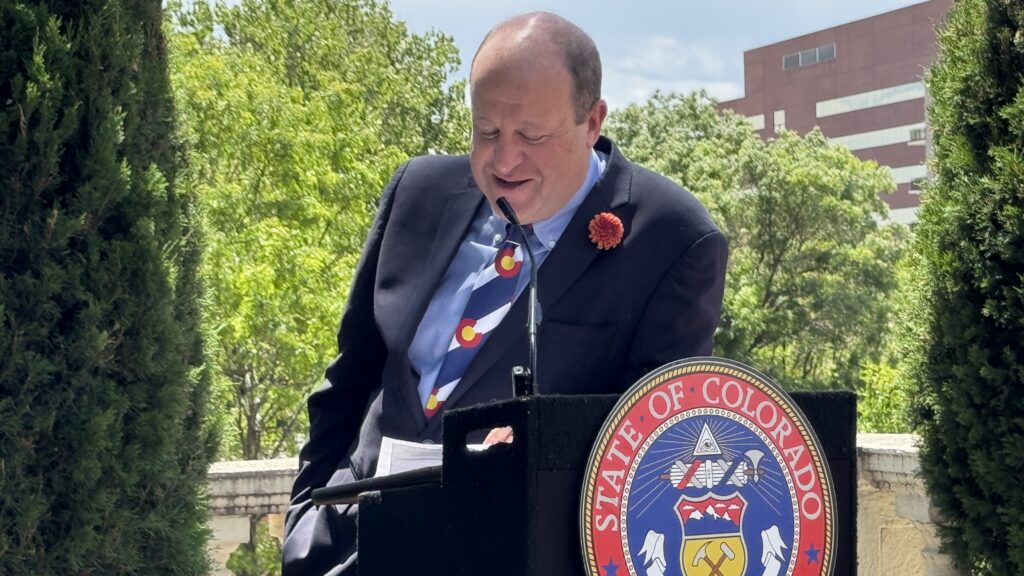
SEVEN LEGISLATIVE SESSIONS | Governor Jared Polis culminated his role of enacting or vetoing legislation. (Photo/Jesús Sánchez Meleán)
HE CLOSED HIS LEGISLATIVE CYCLE AS GOVERNOR
Newsroom El Comercio de Colorado
Haga click aquí para leer la versión en español
The governor of Colorado, Jared Polis, formally concluded the last legislative phase of his administration by stamping his signature on the final bill of his term. During the protocol event, the governor recalled that he assumed the leadership of the state in January 2019 for a first four-year term and, after his reelection in November 2022, now faces the last seven months of an administration that will formally end in January 2027.
The activity marked the closure of the seven legislative sessions that he led from the regional executive power. With a relaxed tone, Polis emphasized the physical effort behind the enactment of the laws that reach his desk from the Colorado General Assembly. His office must study the legality and suitability of each piece of legislation and, if they are in agreement, he can enact them, meaning sign them, or veto them.
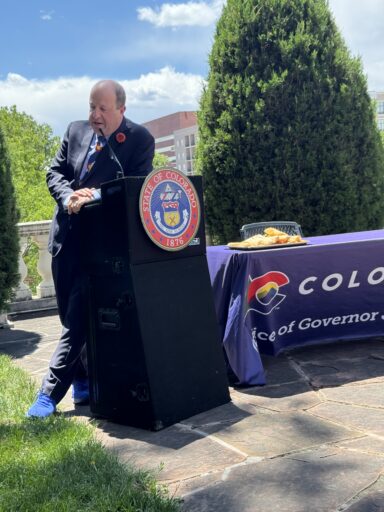
RELAXED AND REFLECTIVE | Polis before signing his law No. 3,713. (Photo/Jesús Sánchez Meleán)
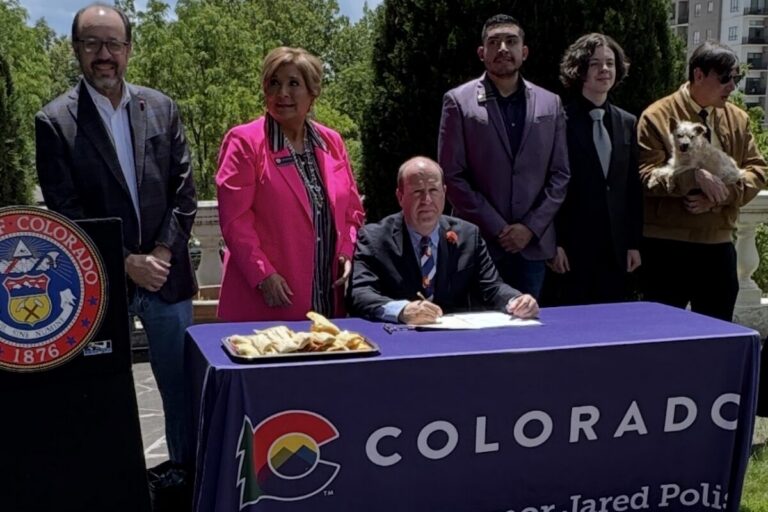
He did not use an autopen
The governor joked about the methods used to validate each of the state initiatives approved by the General Assembly and stated textually: “I am about to sign what I expect to be the last law that I will sign as governor of the great state of Colorado. And what a great honor. I also want to add that I have signed all 3,713 laws by hand. I have never used any type of autopen on a law. People can check the archives,” he said.
And he continued, “every single one of them I signed by hand. I also signed by hand each of the 53 laws that I vetoed; I vetoed them by hand. And I am a little tired at this moment.” The head of the state executive expressed his relief at leaving behind the administrative burden represented by the detailed review and manual signing of legislative packages before their entry into force. Polis, however, expressed that he will be performing the rest of his duties until January 2027.
Polis signed his last bill surrounded by mariachis and tamales
Regarding the last law he had to sign
“I look back, and in my opinion, this law [known as the tamale law] should have been super easy to move forward and negotiate, but it wasn’t. So thank you to the dogged devotion of its sponsors it came together,” Polis said while recognizing the work of Representatives Mónica Durán, Ryan González, and Richard Rodríguez, proponents of the legislation who accompanied the government in the enactment of the law.
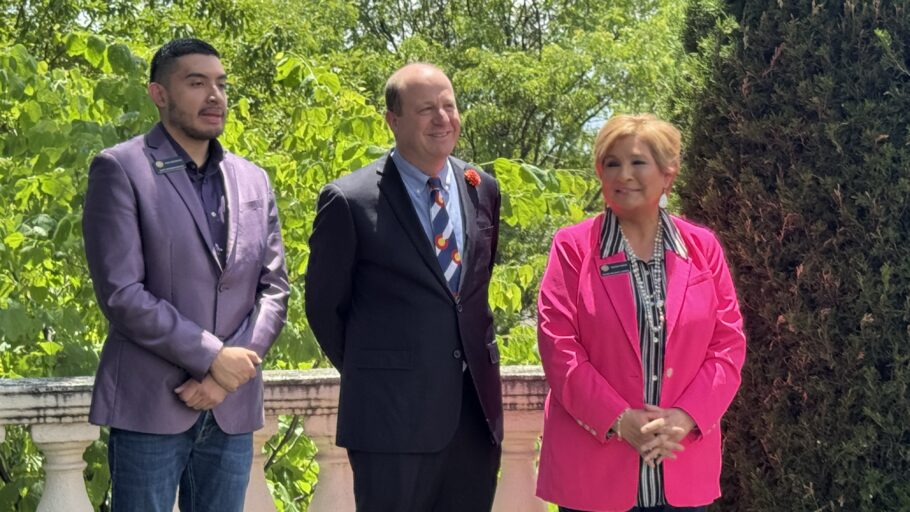
This regulation chosen to close the legislative cycle of the administration, named the “Tamale Act,” is registered under the technical nomenclature House Bill 26-1033. The legislation substantially modifies the regulatory framework for the production of home-cooked foods in the state by allowing the legal commercialization of packaged traditional dishes that include meats and require direct refrigeration, such as tamales and burritos.
Increase in profit limits and health regulations
The new legislation eliminates the strict previous cap of 10,000 dollars annually and drastically raises the net income limit allowed for these home-based producers to 150,000 dollars per year, adjustable for inflation. To ensure public health safety, producers must complete a certified food handling course, register with the state Department of Public Health and Environment, use federally inspected meat, and submit to potential random inspections in their home kitchens if necessary.
The ceremony concluded in a festive and community-centered atmosphere with live mariachi music and tamales of various flavors for all attendees. The food shared during the event was prepared firsthand by the very people from the community who will immediately benefit from this new law, which officially sealed the seven legislative sessions led by Polis at the helm of the Colorado government.
Polis signed his last bill surrounded by mariachis and tamales
You may also like
World Cup fever arrives with the Panini album
Double celebration mobilizes Colorado residents
Julie Gonzales: “It is time for Colorado to elect a female Senator”





otras noticias
Progress That Demands Vigilance
Broncos’ Jonathon Cooper, facing strangulation charge, to start season on commissioner’s exempt list
Medical Care in Mexico