
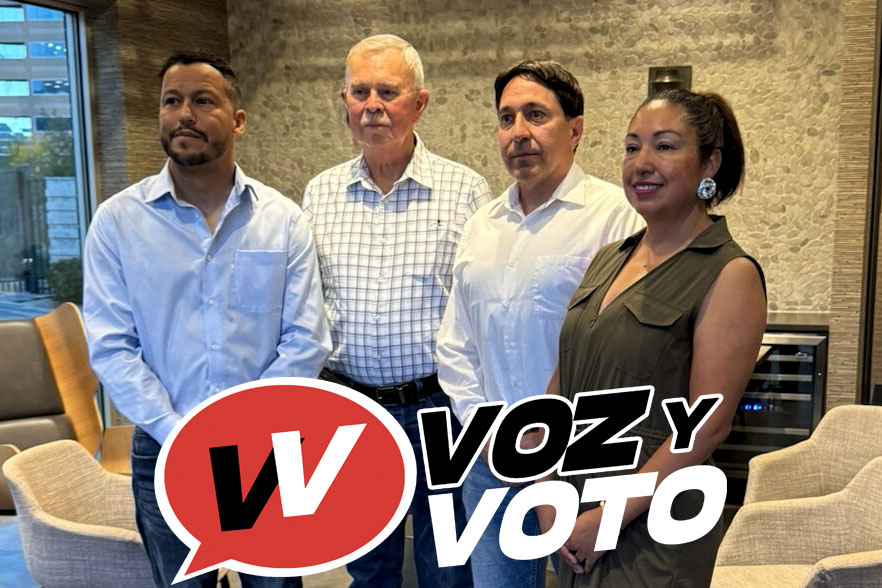
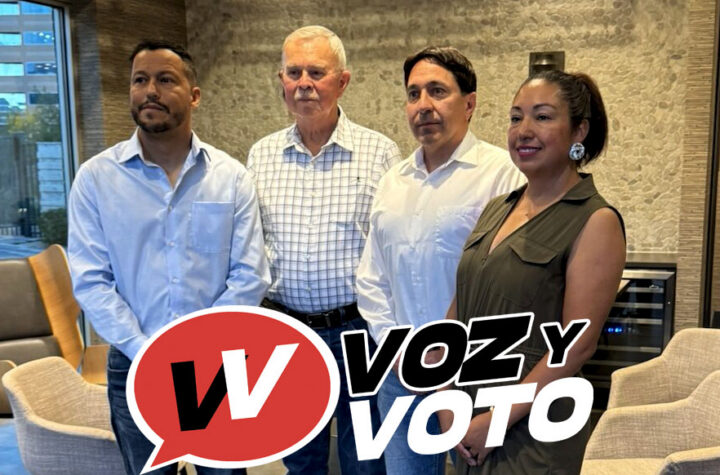
GUEST PANELISTS| Gabriel Valles, Juan Garza, Eric Pavri, and Maura Matos. (Photo/El Comercio de Colorado)
DIVIDED ON CONFIDENCE IN COLORADO’S VOTING SYSTEM
Newsroom El Comercio de Colorado
Haga click aquí para leer la versión en español
Latino voters in Colorado’s 5th District place the cost of living and wage increases at the center of their priority demands for the federal government. According to the Colorado Latino Policy Agenda 2026 survey, conducted by BSP Research for Voces Unidas and COLOR with Hispanic voters in the district, 32% ask to address general inflation and 31% demand improving labor income. Likewise, 47% state that their family economy worsened in the last year, concentrating their highest expenses on food, housing, and gasoline.
This concern echoed in an in-person forum hosted by El Comercio de Colorado in Colorado Springs, where Eric Pavri, Juan Garza, Gabriel Valles, and Maura Matos raised their voices. During the session, Pavri emphasized that “the most serious economic problem we are facing is the cost of basic needs” and proposed converting vacant offices into housing and raising the minimum wage. Pavri added, “if we are deporting thousands and thousands of people who actually do the real work in our society, what is going to happen to the economy and prices?”.
For his part, Valles stated that “I would ask for laws that stimulate housing construction and improve the economy,” noting that families suffer as gasoline and rent go up. In contrast, Garza suggested reviewing regulations that make transportation and business more expensive, asking “how can we eliminate what is not necessary from what is necessary?”. Finally, Matos proposed supporting local businesses and boosting education, stating that “I worry a lot about the new generations” in the face of workplace changes.
Opportunities for honest workers
Immigration policy and protection against discrimination constitute the second crucial axis of concern in this district. The Colorado Latino Policy Agenda 2026 shows that 27% of Hispanic voters demand reforming immigration laws and 25% demand fighting racial discrimination. In the debate, positions revealed deep nuances. Matos maintains that “I don’t think there should be mass deportations because they destabilize families” and denounced profiting in privatized detention centers.
Valles supported providing legal status to honest workers, stressing that “most immigrants are people who come to work”. On his end, Garza demanded stopping human trafficking, requiring a distinction between those who respect the law and those who commit crimes. “How can we do something so that they go through a process, so that they apply, to be here legally?”, questioned Garza, who also compared the current situation with his family’s experiences in Texas when arguing a lack of balance in the allocation of state aid.
In that line, Pavri debunked the idea of unrestricted access for undocumented immigrants to assistance programs, calling it “a somewhat invented narrative”. Based on his experience in community organizations and as an attorney, he noted that “migrants do not have access to public benefits, and when they receive their paychecks, Social Security is deducted, taxes are deducted”. Furthermore, Pavri warned that “the attack is not only on the illegal system… our legal immigration system is being destroyed,” making it impossible to adjust status even through employment or family channels.
Divided on confidence in the vote
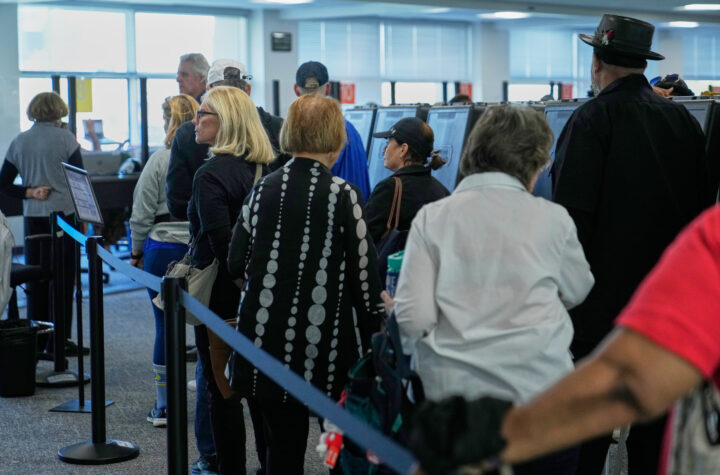
Confidence in Colorado’s electoral system divided voters. Garza advocated for returning to traditional voting: “we should go back to that style of voting in person,” arguing greater certainty in identity verification. Valles agreed on the need for strict guarantees to avoid irregularities. Conversely, Matos highlighted that alternative methods benefit people without transportation or with disabilities.
Pavri asserted that “we have very professional people from both parties, Republican and Democratic, who are the ones in charge of the votes and verifying the ballots in each county”. The attorney also strongly backed the transparency of mail-in voting, emphasizing that it allows voters to study the ballot thoroughly at home: “a voter with time to vote and a more informed voter is a better voter”.
Watch Voz y Voto in Colorado Springs
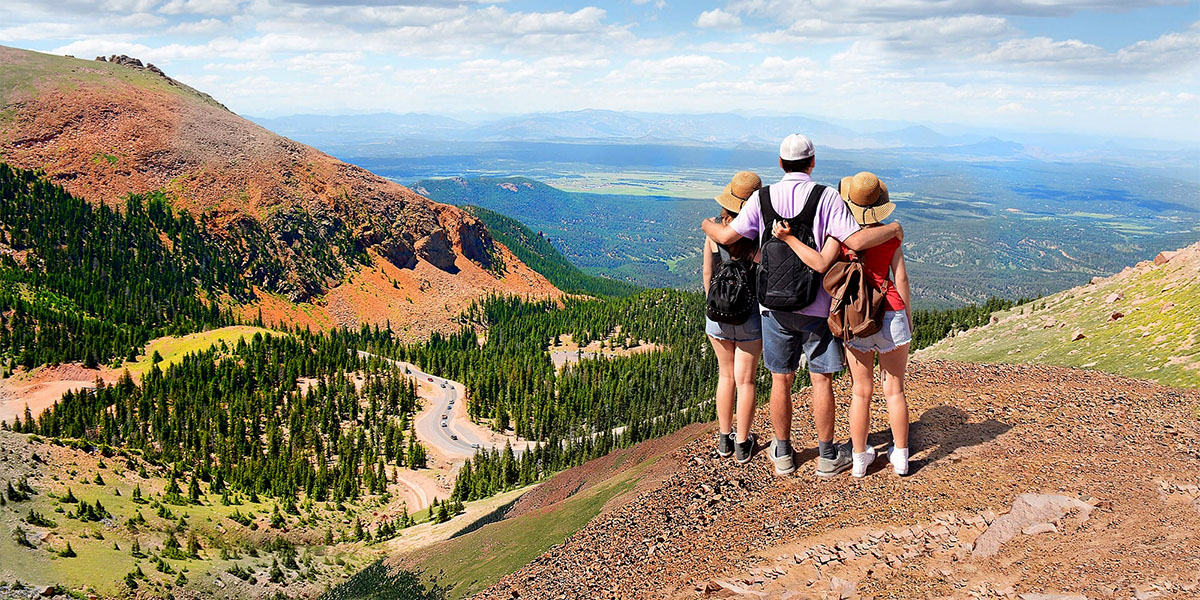
AMERICA THE BEAUTIFUL| Majestic Pikes Peak. (Photos/America’s Mountain)
Military tradition and economic growth
Colorado’s 5th District encompasses El Paso County and cities such as Colorado Springs, Fountain, Manitou Springs, and Monument. Geographically defined by the majesty of Pikes Peak and Garden of the Gods, the district stands out for its strategic value. It houses the Aerospace Defense Command at Cheyenne Mountain, the United States Air Force Academy, and the Fort Carson, Peterson, and Schriever military bases.
Likewise, the city of Colorado Springs is home to the headquarters of the U.S. Olympic & Paralympic Committee. With a population of 745,409 inhabitants, of which 14.9% are of Hispanic origin, the district records a median household income of $91,125 per year. Politically, the region maintains a deep-rooted conservative profile that traditionally favors Republican candidates.
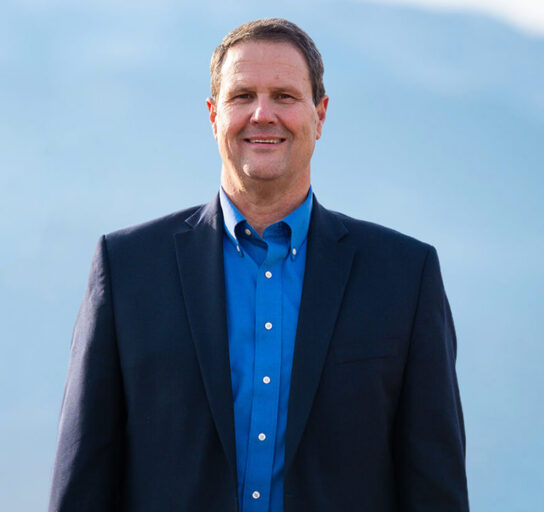
CANDIDATES| Jeff Crank (Republican)
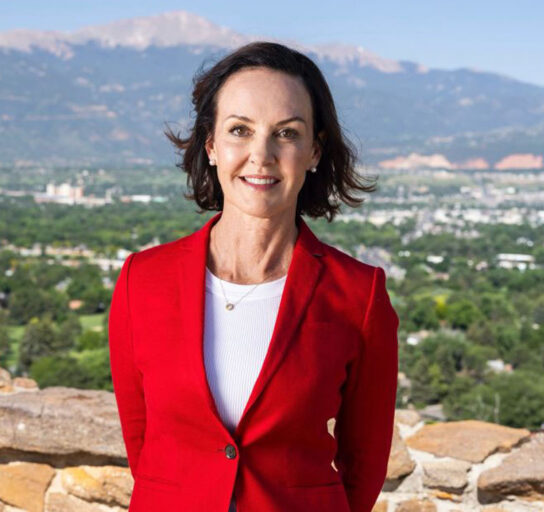
CANDIDATES| Jessica Killin (Democrat)
Contenders battle for federal seat at the polls
There are five candidates vying for the federal representation of District 5 in the Federal Congress. Republican Jeff Crank, current Representative in the House and member of the Armed Services and Natural Resources committees, promotes increasing domestic energy production and reducing electricity costs. For the Democratic Party, Army veteran Jessica Killin proposes strengthening veterans’ clinics, protecting Medicare, stopping Medicaid cuts, and actively limiting stock trading among members of Congress.
Among third-party options, Christopher Mitchell, of the American Constitution Party and an electrical contractor, advocates for reducing federal agencies and securing the border. Meanwhile, Libertarian Mark “Marky Jr” Elworth pushes to cut taxes, eliminate tariffs, and protect civil rights against federal overreach. Finally, the electoral field is completed by Steven Fuller, an independent candidate certified under the official write-in option.
You may also like:
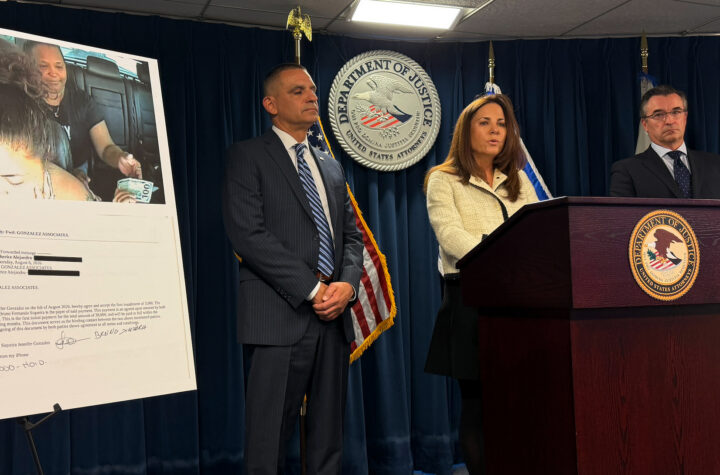
Governor Polis Appoints María González to Fill Manny Rutinel’s Vacancy

otras noticias
Denver Film Festival to honor John Leguizamo
El Comercio de Colorado interviews Pew Research Center expert
Guest Column – Delivering for Colorado’s Latino Community and All Coloradans