
HEALTH AUTHORITIES MOVE UP THE FIRST DOSE OF THE MMR vacine
By Devi Shastri y Laura Ungar
Haga click aquí para leer la versión en español
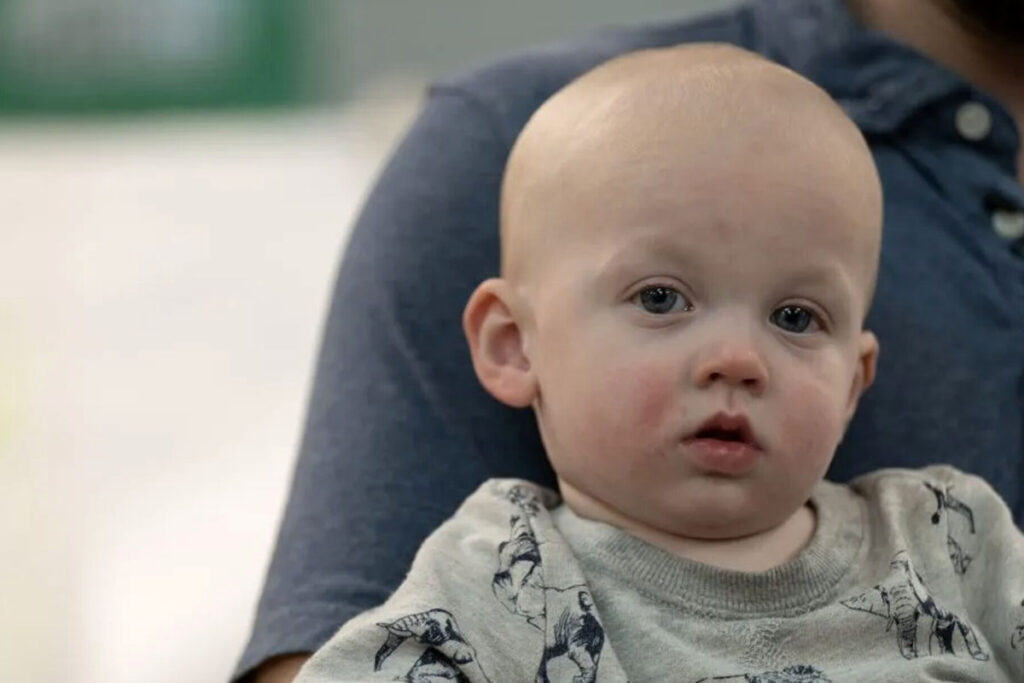
With little Arthur still too young to receive the measles vaccine and another baby on the way in June, the Otwell family began to worry as the highly contagious virus started affecting even their daily routines, like going to the grocery store. “We go to the Costco that became an exposure site,” said John Otwell, who was aware of state health department warnings about public exposures at that location. “A lot of people don’t understand; they think it’s just a cold. It’s not.”
By the time of Arthur’s 9-month checkup, the outbreak in South Carolina had already become the worst in the country in more than 35 years, surpassing last year’s outbreak in Texas. Under these conditions, authorities allowed the first dose of the MMR vaccine — for measles, mumps, and rubella — to be administered earlier than the usual 12- to 15-month range. However, the family’s new baby will not be able to be vaccinated until at least 6 months old.
Herd Immunity as Protection
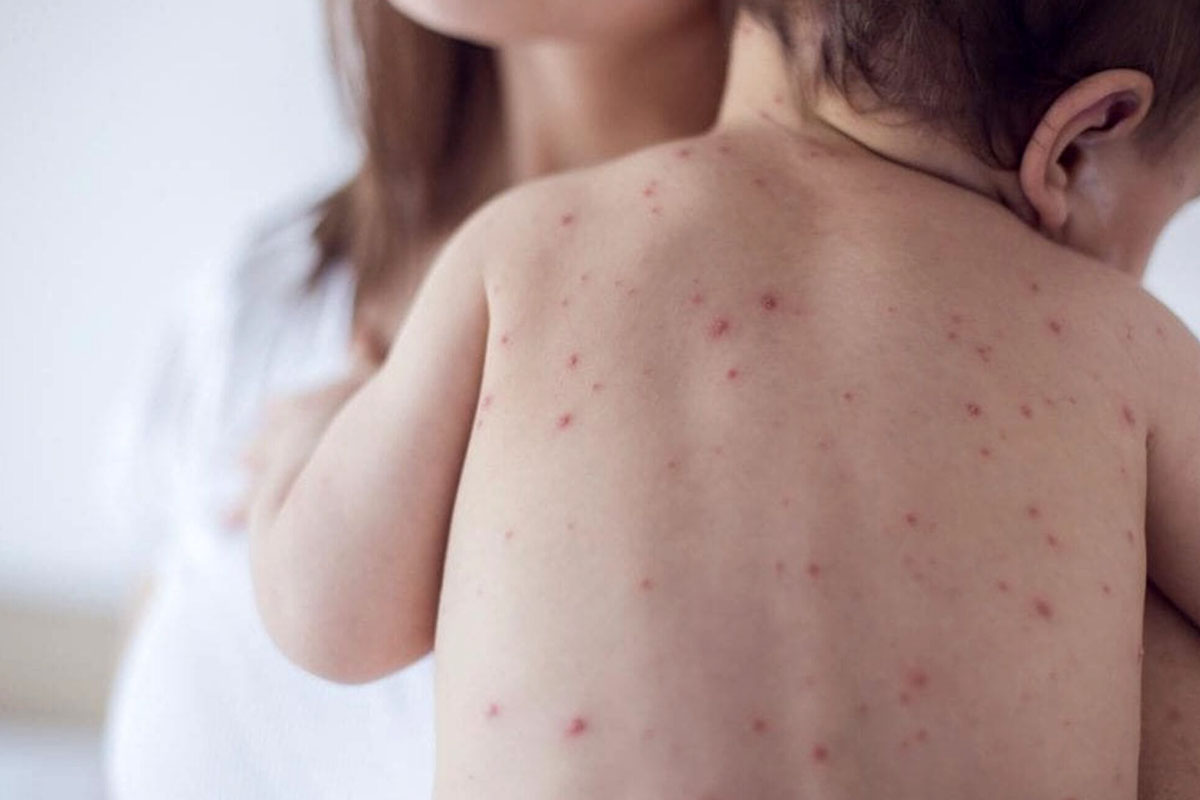
The concern is repeating across different regions of the country where measles has resurfaced. Babies too young to be vaccinated are the most vulnerable during outbreaks. The virus can severely affect their bodies, causing them to stop eating or drinking, as well as leading to pneumonia or brain inflammation, and even death in extreme cases. Protection for these children depends almost entirely on herd immunity, which requires at least 95% vaccination coverage to prevent spread.
However, that barrier has weakened in recent years. In Spartanburg County, the epicenter of the outbreak, fewer than 90% of students are up to date on required vaccines. “Babies become easy targets,” warned pediatrician Deborah Greenhouse. “It’s everyone’s responsibility to protect one another.” However, the debate over vaccination has taken a political turn, with some officials framing it as an individual choice rather than a public health measure.
At the federal level, changes to vaccination policy have been proposed. Although some have been blocked in courts, several states have introduced bills that could further reduce immunization rates. The South Carolina outbreak, with nearly a thousand cases, has begun to slow, but measles continues to spread across the country. So far in 2026, 17 outbreaks have been recorded, compared to 48 in all of 2025, putting at risk the United States’ status as a measles-free country.
Parents Hesitate to Send Children to Daycare
The impact is also felt in daily life. Parents are hesitant to take their children to daycare centers or medical waiting rooms. In some childcare facilities, families have withdrawn their children despite no confirmed cases. Although daycares are required to enforce vaccinations, religious exemptions remain common. In some centers, up to 20% of children are unvaccinated, increasing the risk of spread. At the same time, legislative proposals aim to eliminate vaccine requirements for children under age 2.
Vaccination coverage has also declined nationwide. Among kindergarteners, it dropped from 95.2% in 2019–2020 to 92.5% in 2024–2025, with even lower levels in some communities. Experts warn that this decline could open the door to the return of diseases that had been under control. “Seeing that we are moving backward is troubling,” Greenhouse said. In response to the risk, some parents have chosen to vaccinate their children earlier as a preventive measure.
You may also like:
Owners of attacking pit bulls to appear in court on April 29
Elon Musk Sues Colorado to Halt AI Law
Guest Columnist – Single After 40: Redefining Love, Pressure, and Power for Latina Women



otras noticias
Guest Column – Delivering for Colorado’s Latino Community and All Coloradans
Guest Column – A Boulder Optimist: Restoring Opportunity
Guest Column – Vote NO: Proposition 133 is a dangerous trap