

AI REGULATION | Elon Musk lawsuit forced Colorado law to be amended. (Photo/AP)
THEY AMEND ARTIFICIAL INTELLIGENCE LAW TO REDUCE ITS SCOPE
Newsroom El Comercio de Colorado
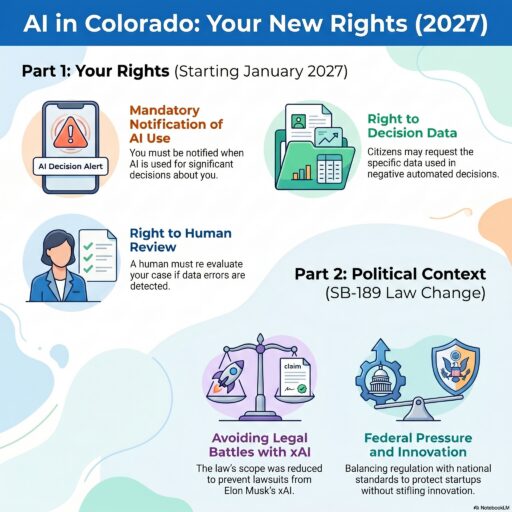
BREAKING NEWS: Governor Jared Polis signed the new SB-189 law on Thursday, modifying and reducing the scope of the landmark regulation approved in 2024 to prevent discrimination through artificial intelligence in Colorado. The new law will take effect on January 1, 2027, and will require companies, universities, banks, and agencies to notify people whenever AI systems are involved in decisions regarding employment, loans, or admissions. In addition, affected individuals will be able to request human review and access information about the data used in automated decisions. The reform, negotiated for months among technology companies, civil groups, and lawmakers convened by Polis, also weakens the preventive requirements that previously mandated risk assessments before implementing AI systems. Approval of the new law also reduces the legal pressure created by the lawsuit filed by xAI, the company owned by Elon Musk, against the original version of the regulation.
After nearly two years of negotiations, working groups, business pressure, and lawsuits, Colorado lawmakers are significantly revising the historic state law against algorithmic discrimination approved in 2024. The new proposal, known as Senate Bill 189, considerably reduces the original requirements and focuses primarily on requiring transparency regarding the use of artificial intelligence (AI) in important decisions affecting consumers.
The original legislation, approved in 2024 and considered groundbreaking in the United States, sought to prevent AI systems from discriminating against people in processes such as job applications, bank loans, housing access, or college admissions. The law was scheduled to take effect on June 30, 2026, but its implementation was delayed several times while lawmakers, technology companies, and civil organizations discussed possible changes.
Now, the new legislative agreement has already been approved by both chambers of the state legislature and was headed to Governor Jared Polis’ desk for final signature. The main change eliminates much of the preventive obligations originally imposed on companies developing and using AI. The 2024 law required impact evaluations and risk analyses to detect possible discriminatory biases before implementing automated systems.
What does the new law allow?
However, those provisions generated strong opposition from tech startups, investors, and business groups, which argued that the regulatory costs were excessive and could slow innovation in Colorado. The new version keeps only transparency and notification requirements. Beginning January 1, 2027, companies must clearly and visibly inform people whenever artificial intelligence participates in important decisions affecting them.
In addition, consumers will be able to request information about the data used by the automated system if they receive a negative decision, such as the denial of a loan or job offer. They may also request that a human being review the case if they believe there were errors in the data used. State Senator Robert Rodriguez, one of the main negotiators of the bill since 2024, acknowledged that the debate has been complex due to pressure from multiple sectors.
“The size, the money, and the reach of this industry require some form of regulation,” Rodriguez said during legislative discussions. Political and legal pressure increased significantly after the lawsuit filed by xAI, Elon Musk’s company, against Colorado’s original law. The lawsuit argued that the state regulation imposed excessive restrictions and could interfere with technological development and national competitiveness.
They avoided a legal battle
Later, the U.S. Department of Justice joined the lawsuit, supporting some of Musk’s arguments and questioning the possibility of different states adopting separate AI regulations. The federal government has also shown interest in creating a uniform national regulatory framework. That context increased pressure on Colorado, which until now had been considered the state with the broadest rules in the country against algorithmic discrimination.
Facing the risk of a prolonged legal battle and business opposition, Governor Polis promoted private working groups with technology representatives, consumer organizations, hospitals, universities, and progressive groups. Those negotiations produced the new SB-189 bill. While some experts believe the new version represents a step backward, others believe it establishes an initial foundation for future regulations.
Regulation in other states
Colorado continues to be closely watched because other states are also advancing similar regulations. Texas approved AI-related measures for government agencies, while Connecticut and Illinois have promoted laws focused on workplace discrimination and consumer protection. The debate comes as public concern about artificial intelligence continues to grow. Recent surveys show that most Americans believe the federal government still is not doing enough to regulate this technology.




otras noticias
The Panini Fever
Bennet: “Colorado must confront its deficit with a long-term vision”
CHASE promotes financial education in Colorado